Altitude's Edge: Thin Air's Role in Altering Scores and Odds at High-Rise Sports Venues
Noah Ludwig · Aug 1, 2026
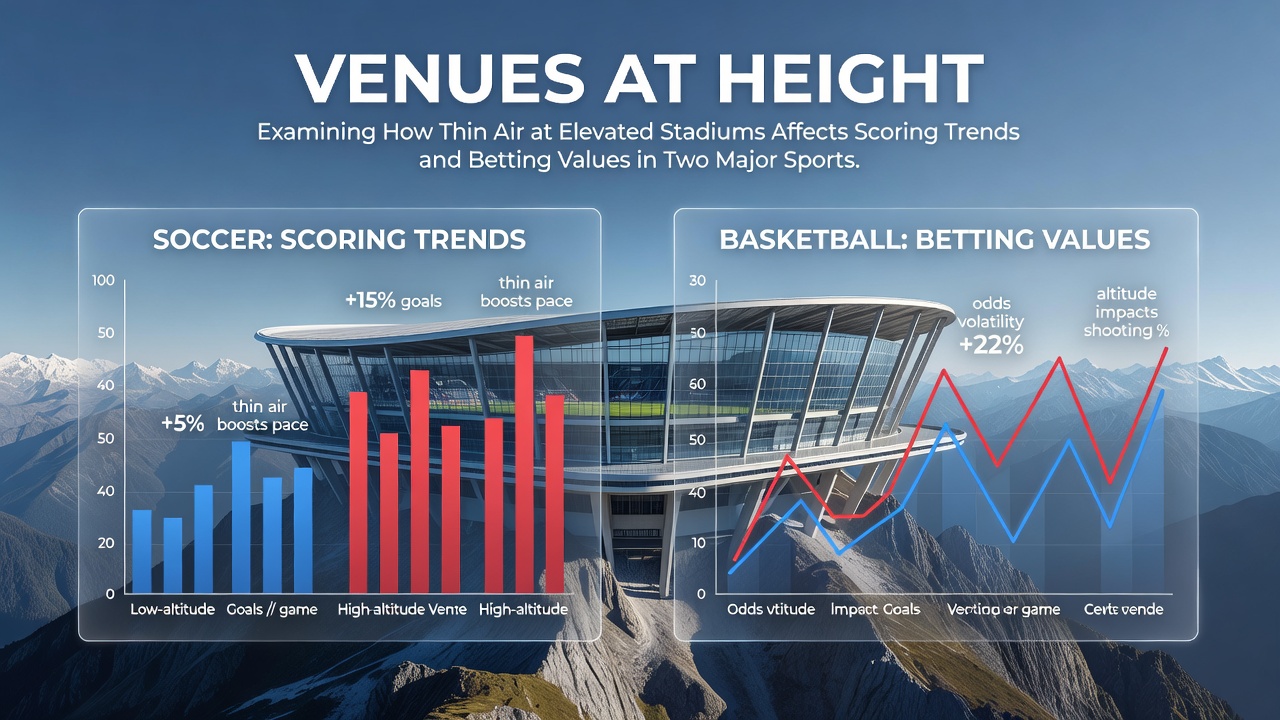
Altitude's Edge: Thin Air's Role in Altering Scores and Odds at High-Rise Sports Venues
High-elevation stadiums create distinct conditions that reshape scoring patterns in soccer and baseball, with lower oxygen levels and reduced air density playing central roles. Venues such as Estadio Hernando Siles in La Paz at 3,640 meters and Coors Field in Denver at 1,610 meters demonstrate measurable differences compared to sea-level sites, and data from multiple seasons show consistent adjustments in game totals and betting markets.
Physical Mechanisms at Work
Reduced atmospheric pressure at altitude decreases oxygen availability for athletes while allowing baseballs to travel farther due to less drag, whereas soccer balls follow slightly altered trajectories and players experience faster fatigue during sustained efforts. Studies from the University of Colorado indicate that baseballs gain approximately 9 to 10 percent more distance at Coors Field than at comparable sea-level parks, which directly influences home-run rates and over/under betting lines.
Baseball Scoring Trends
Colorado Rockies games at Coors Field have produced elevated run totals across multiple seasons, with average runs per game often exceeding 11 compared to league averages near 9, and pitchers post higher earned-run averages as a result. Observers note that these patterns hold steady even after accounting for park factors, and betting markets typically adjust totals upward by one to two runs to reflect the environmental impact.
Soccer Performance Shifts
In soccer, matches played at extreme altitudes such as those hosted by Bolivia's national team show visiting sides recording lower possession percentages and fewer shots on target, while home teams maintain higher work rates in the opening half before fatigue sets in. FIFA technical reports document that teams traveling from below 1,000 meters experience measurable declines in high-intensity running after the 60-minute mark, which correlates with increased goal tallies in the later stages of matches.
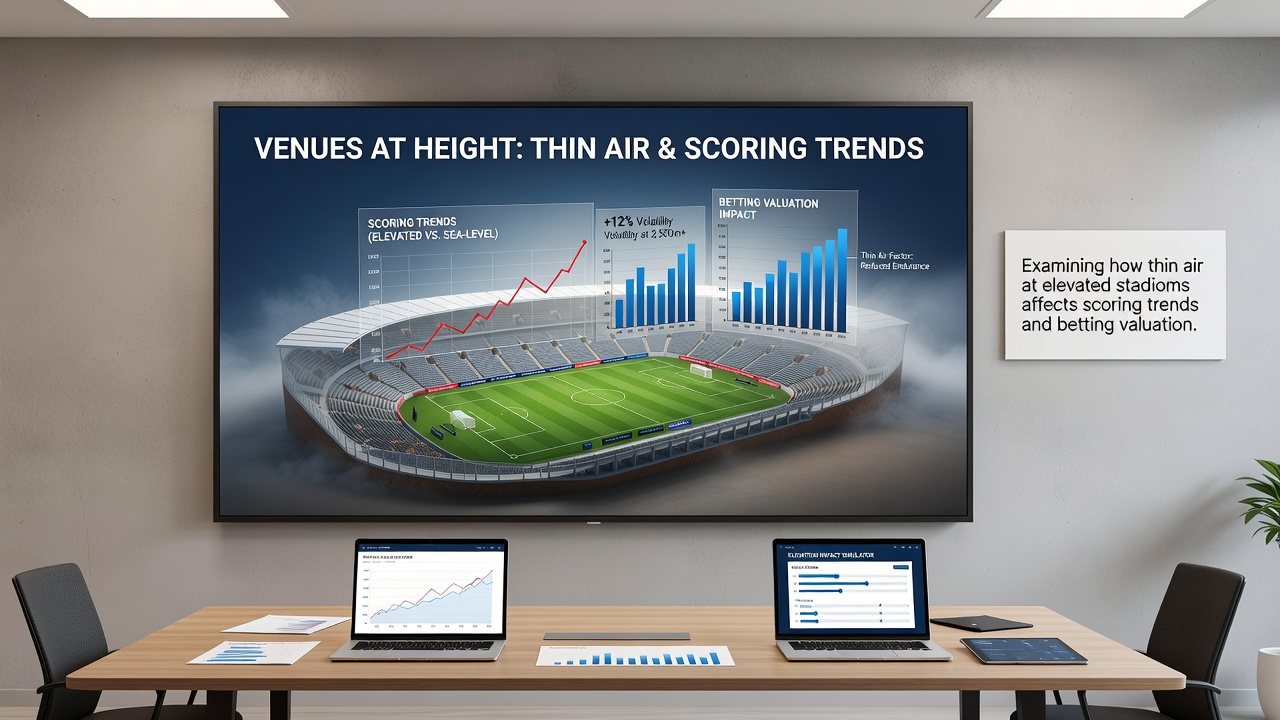
August 2026 fixtures scheduled in South American qualifiers continue to highlight these dynamics, with pre-match totals often set higher for home sides at elevation and lower for away teams adapting to the conditions.
Betting Market Adjustments
Oddsmakers incorporate altitude data into lines for both sports, raising baseball totals at Coors Field while widening soccer goal spreads for matches at La Paz or Quito, and sharp bettors track historical averages to identify value when lines lag behind established trends. Research published in the Journal of Sports Sciences confirms that physiological stress at altitude alters player output in ways that persist across multiple competitions, providing a reliable basis for model adjustments.
Market liquidity remains strong on these games because bettors recognize the repeatable nature of the effects, and lines move steadily in response to roster news or weather variables that compound the altitude factor.
Comparative Data Across Seasons
Longitudinal tracking reveals that baseball run production at elevation stays elevated regardless of rule changes or equipment modifications, while soccer goal rates fluctuate more with team acclimatization protocols and travel schedules. European clubs participating in CONMEBOL events frequently cite altitude as a primary variable in match preparation, and governing bodies have explored standardized acclimatization windows to mitigate performance gaps.
Conclusion
Thin air at elevated venues produces quantifiable impacts on scoring in soccer and baseball, with established data guiding both performance strategies and betting line construction, and ongoing fixtures in August 2026 will continue to test these patterns under real-world conditions.